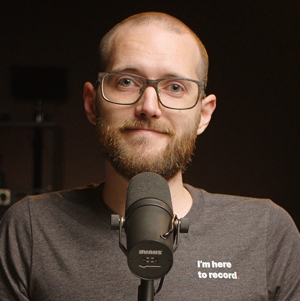
Showcaller Spotlight: George "Jojje" Jonasson
• John Barker
We followed showcaller George “Jojje” Jonasson through a full day at Malmö Live to see what it really takes to call a live awards show - from the 9am crew call all the way through to showtime.
Quick facts
| Name | George “Jojje” Jonasson |
| Location | Based in Skåne, Sweden - works globally |
| Years showcalling | 12 years |
| Notable shows | Malmö Business Awards (10 years running), Royal Inauguration at the National Museum Stockholm, Hockey Revolution Dubai, Red Bull Secret Gig Malmö, Creative Powers for Europe Malmö, HX 2020 (Sweden’s first digital city festival), Eurovision Song Contest Malmö 2024 (Turquoise Carpet / Opening Ceremony, Public Viewing and Grand Final Party) |
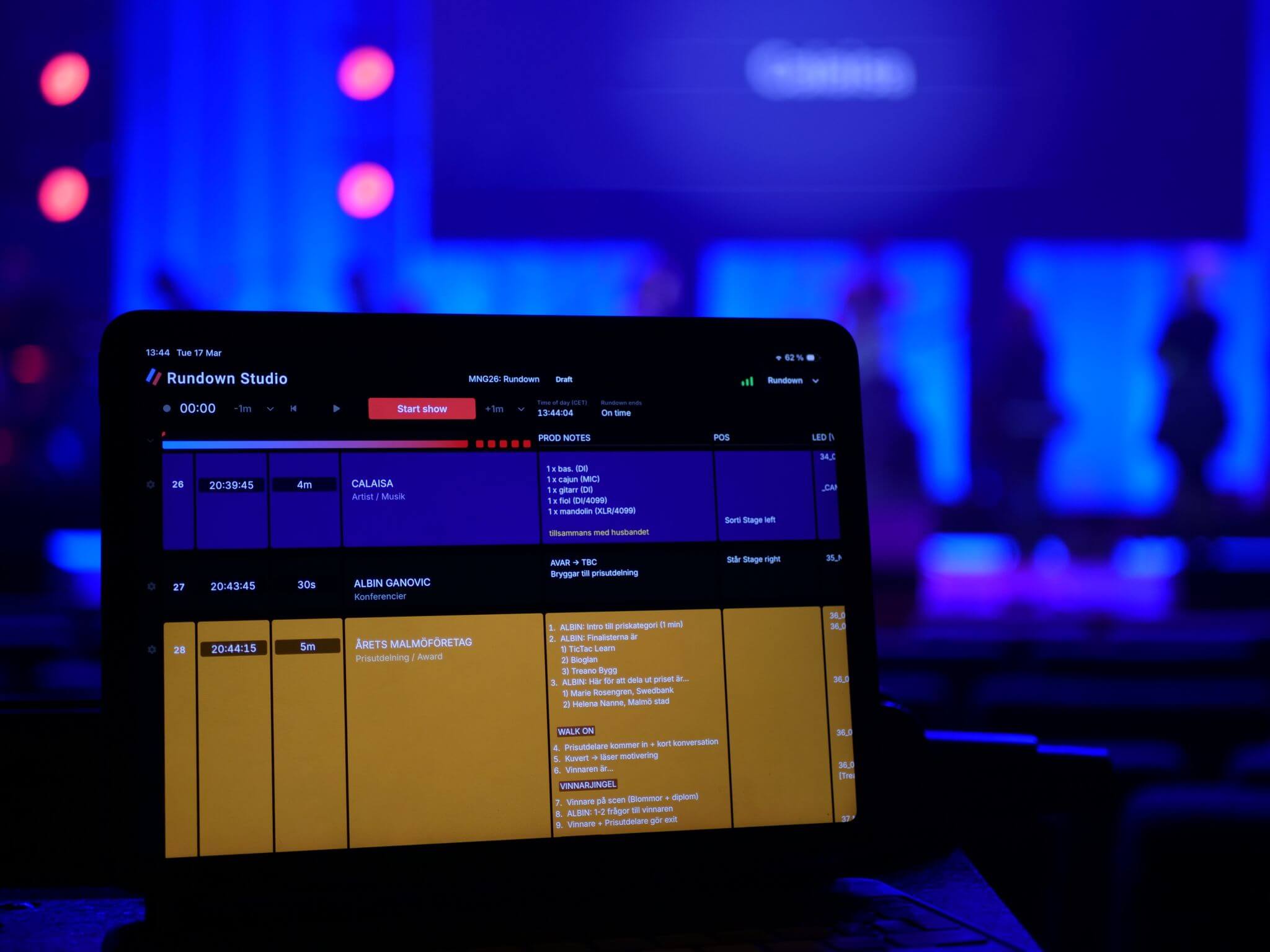
| Tools of the trade | Rundown Studio on iPad during stage rehearsals, Rundown Studio on laptop during show, comms, in-room and text |
| Philosophy | ”Assumption is the mother of all f*** ups.” - “Two things matter: communication and expectations.” |
09:00 - Crew call
The day starts with getting everyone in sync. George gathers the full crew for a complete show run-through - not just the broad strokes, but the detail. This is everyone’s chance to ask questions before the pressure builds.
Rather than throwing it open to the room and hoping people speak up, George approaches each crew member individually and asks if they have any questions. It’s a small thing, but it sets the tone for the day: everyone’s voice matters, and nothing should be left unclear.
10:15 - Running through assets
With the team briefed, attention turns to the assets - videos, graphics, and everything that will play during the show. This is the final proper chance to check them before rehearsals begin.
George is deliberate about this. Catching a missing graphic or a mislabeled video now is easy. Discovering it during host rehearsals is a distraction nobody needs.
10:30 - Rehearsals with hosts
This is where the show starts to take shape. Rehearsals with the hosts involve plenty of stop-starting - fine-tuning ins and outs, making decisions on the fly about pacing and transitions.
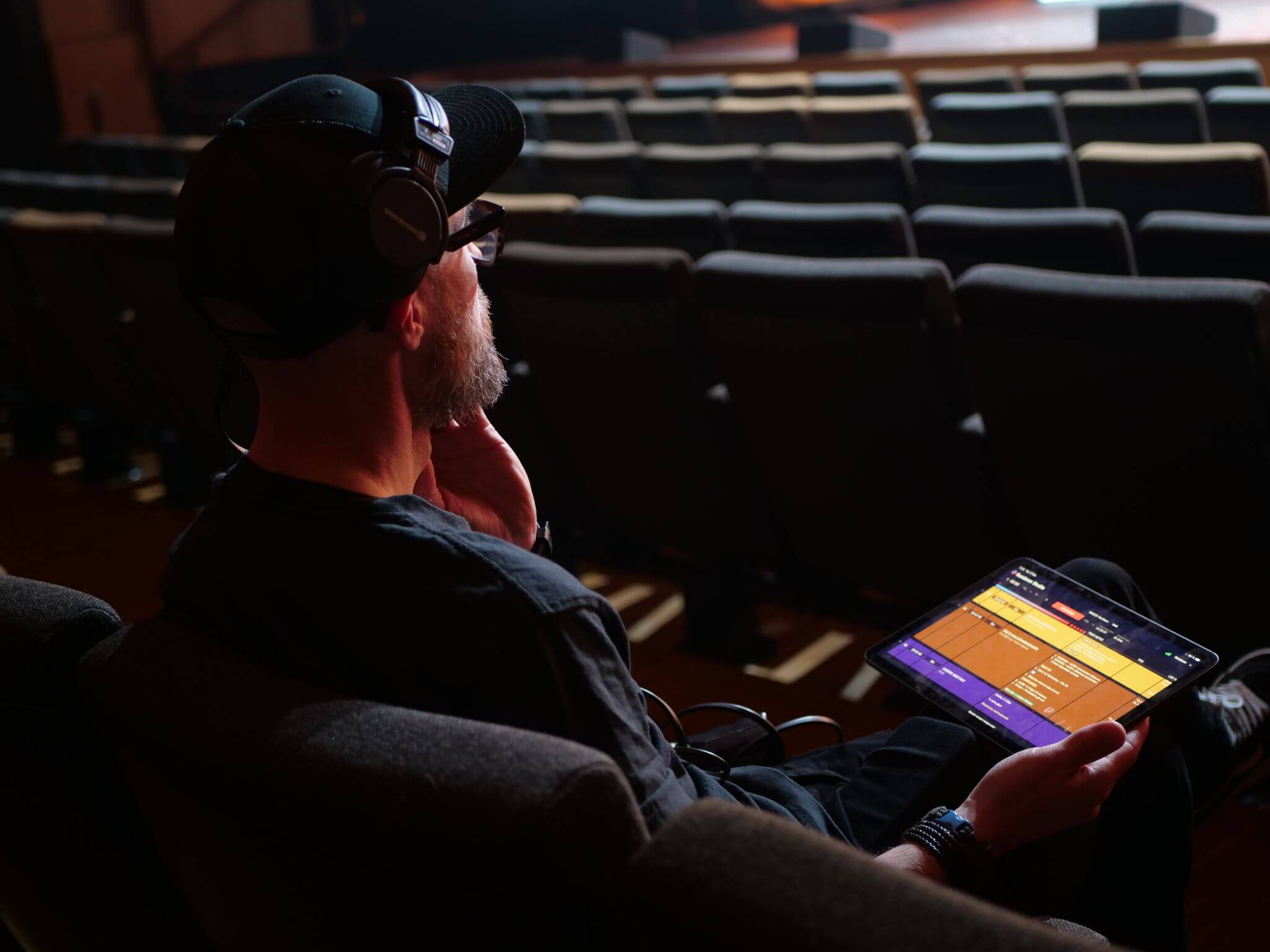
George remains within the audience seats to see the show from their perspective. At one point he’s sitting in the audience watching a run-through on his iPad with Rundown Studio open, getting a feel for how the show lands from the viewer’s seat.
It’s all about the team working together. George listens closely to the talent - they have their own motivations and instincts about what works. His job is to listen, absorb, and decide what’s best for the show as a whole.
11:15 - Lunch
Even the best showcallers need to eat.
12:15 - Band rehearsals and musical guests
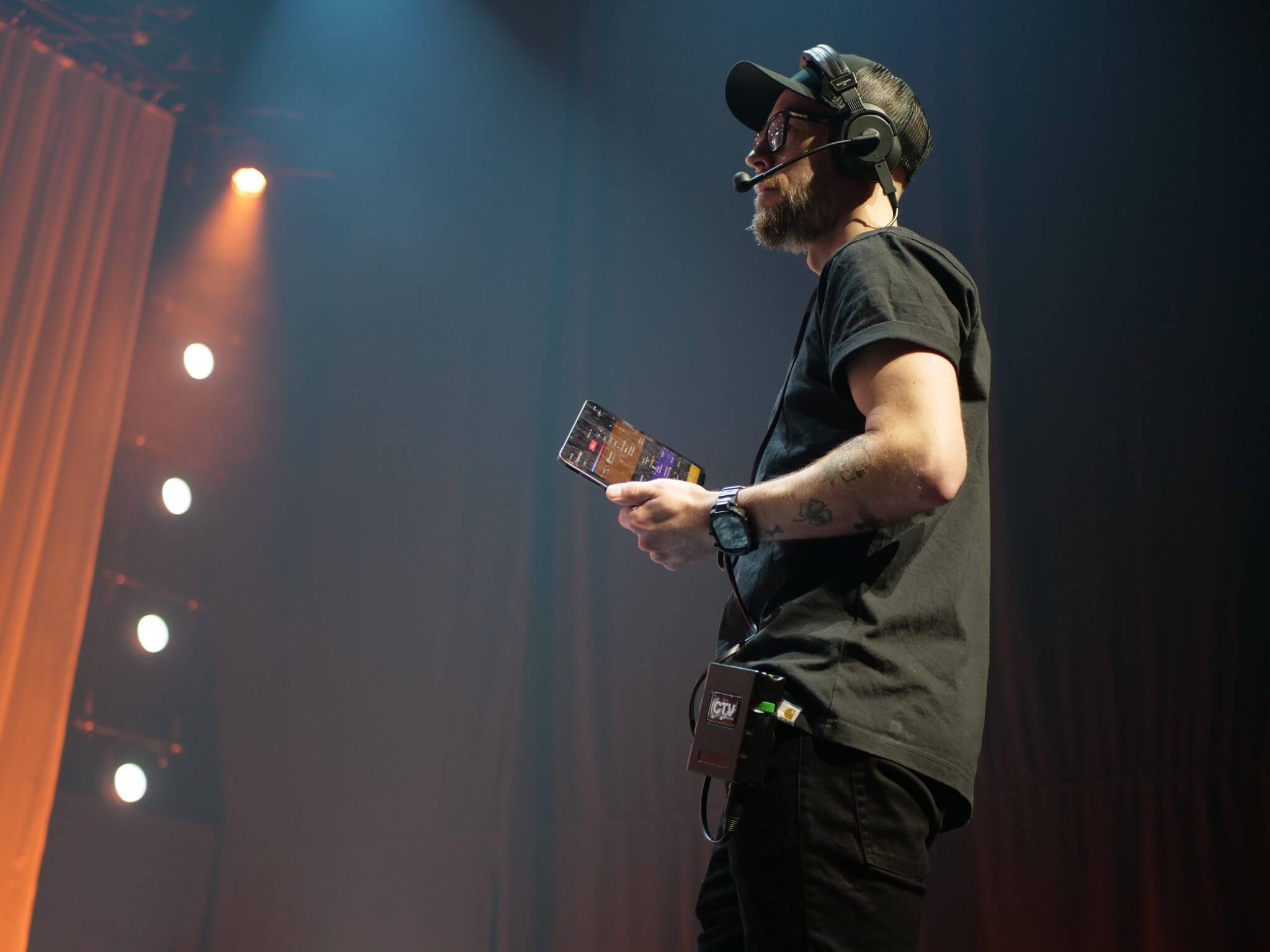
The afternoon kicks off with band rehearsals and musical guest run-throughs. George has a mic now - essential when you need to be heard over a live band.
The musical acts come through one by one for their individual run-throughs. And here, George reveals one of the most important qualities of a great showcaller: knowing when to step back.
“I don’t like to be micromanaged, so I don’t micromanage.”
He sits back and watches the band and audio team work together to dial in the sound levels. He doesn’t jump in with notes or hover over shoulders.
“I won’t add anything by getting involved.”
What matters isn’t controlling every detail - it’s ensuring the right things have the right attention at the right time.
17:15 - Award finalists arrive
With rehearsals wrapped, the award finalists begin arriving. The energy shifts. The show is becoming real.
19:20 - Ten minutes to showtime
This is it. 1,200 people are in the audience. The crew is settling into position. And George is calm.
“It’s like being a pilot. You plan your route, but you don’t know if bad weather is coming along.”
With five minutes to go, he’ll do a final roll call to make sure everyone is ready. But right now, there’s no point adding extra noise.
“No point adding extra confusion now since we are all settling in for the show. I will deal with any final issues when they pop up.”
There’s a quiet confidence to it. The preparation is done. The team is ready. And if something goes sideways?
“1,200 people in the audience don’t know what’s supposed to happen - so we can always change things.”
When the show starts, communication happens across every channel simultaneously - in-room calls, comms, and even texts during the broadcast. George is talking to the stage manager, sending people out, calling VTs, and switching IMAG on and off. It’s a constant, fluid conversation.
And when asked what the most important thing is for a live show?
“Two things matter: communication and expectations.”
Keeping it fresh after ten years
This is George’s 10th time calling this particular show. The audience tends to be a similar crowd year after year, which means he’s always looking for ways to keep the production feeling fresh. It’s not about reinventing the wheel - it’s about finding new moments, refining transitions, and making sure the show never feels like it’s running on autopilot.
That mindset - always improving, never settling - is what separates good showcallers from great ones.
Want to see how Rundown Studio can help you run your next show? Get started for free.
Stay up to date with development with our email newsletter.